

Long-term loans are crucial for businesses seeking growth within Colorado's dynamic industrial property lending market. These loans provide substantial capital for assets like properties, equipment, and R&D, aligning financial resources with strategic goals. Key advantages include interest savings, fixed rates, and predictability in a volatile market. Lenders should assess borrowers' repayment capabilities for sustainable growth.
Colorado's industrial property lending sector caters to manufacturing, logistics, and distribution sectors, experiencing 12% growth in 2022. Success requires thorough risk assessment and tailored financing based on property location, occupancy rates, and economic trends. Expert advice emphasizes due diligence for positive outcomes.
Securing a long-term loan demands strategic preparation: gathering financial records, creating a business plan, researching lenders, and tailoring applications. Customized repayment structures are available to align with strategic objectives.
Maximizing returns on industrial property investments requires understanding unique needs and aligning loan structures, such as financing renovations. Diversifying investment portfolios through specialized products mitigates risk and maximizes returns, with average annual appreciation rates exceeding 7% over the past decade.
Long-term loans play a critical role in shaping the economic landscape, especially for businesses seeking growth and expansion. In Colorado’s dynamic industrial property lending market, understanding these financing mechanisms is paramount for both borrowers and lenders. This article delves into the intricacies of long-term loans, addressing key challenges such as risk assessment and collateralization, particularly within the unique context of industrial property. We explore innovative solutions that cater to the diverse needs of Colorado’s business community, providing a comprehensive guide for navigating this essential aspect of modern industry.
- Understanding Long-Term Loans: Basics and Benefits
- Industrial Property Lending: Colorado Focus
- Assessing Loan Eligibility: Criteria and Requirements
- The Application Process: Steps for Business Owners
- Interest Rates and Repayment Options Explained
- Maximizing Industrial Property Investment: Strategies
Understanding Long-Term Loans: Basics and Benefits

Long-term loans play a pivotal role in shaping the economic landscape, especially for businesses seeking to invest in growth and expansion. This type of financing offers a strategic advantage by providing capital over an extended period, enabling companies to pursue ambitious projects and seize opportunities. In the vibrant industrial property lending Colorado market, understanding long-term loans is crucial for both lenders and borrowers.
The essence of these loans lies in their ability to align financial resources with long-term goals. Unlike short-term credit facilities, which are often used for immediate working capital needs, long-term loans cater to significant investments in assets like industrial properties, manufacturing equipment, or research and development. For instance, a company planning to acquire a new factory or upgrade its production lines can secure a substantial loan with a maturity period tailored to the project’s timeline. This strategic financing allows businesses to manage cash flow more effectively while committing to essential long-term growth initiatives.
One of the primary benefits is the potential for significant interest savings. By spreading out repayment over an extended period, companies can reduce the overall cost of borrowing compared to shorter-term alternatives. Moreover, long-term loans often offer fixed interest rates, providing borrowers with financial predictability and protection from market volatility. In Colorado’s dynamic industrial sector, where property values and market conditions can fluctuate, this stability is invaluable. Lenders should carefully assess the borrower’s ability to service the loan, ensuring a sustainable repayment plan that supports both the business’s growth and its overall financial health.
Industrial Property Lending: Colorado Focus

Industrial Property Lending Colorado has emerged as a significant sector within the state’s robust economy, playing a pivotal role in supporting local businesses and driving economic growth. This form of lending is tailored to meet the unique needs of industrial property owners and developers, offering long-term financing options crucial for large-scale projects. With Colorado’s thriving manufacturing, logistics, and distribution sectors, the demand for industrial property has been steadily increasing, presenting both opportunities and challenges for lenders and borrowers alike.
The state’s favorable business environment, coupled with robust infrastructure and a skilled workforce, makes Colorado an attractive destination for industrial property investments. Lenders in this space provide financing for various purposes, including acquiring or constructing industrial buildings, renovating outdated facilities, or securing capital for expanding operations. For instance, the rise of e-commerce has led to a surge in demand for distribution centers, pushing up the need for industrial property lending Colorado. According to recent industry reports, the market for industrial real estate loans in Colorado experienced a 12% growth in 2022, indicating the sector’s resilience and potential.
However, navigating this landscape requires a deep understanding of market dynamics and risk assessment. Lenders must carefully evaluate factors such as property location, occupancy rates, and long-term economic trends to mitigate risks associated with industrial property lending Colorado. Offering expert advice in this domain, financial analysts emphasize the importance of comprehensive due diligence, highlighting successful outcomes often depend on tailored financing strategies aligned with individual project requirements. By fostering partnerships between lenders and borrowers, industrial property lending Colorado can continue to thrive, contributing significantly to the state’s economic diversification and infrastructure development.
Assessing Loan Eligibility: Criteria and Requirements

When considering a long-term loan for your business, especially within the dynamic landscape of industrial property lending Colorado offers, assessing eligibility is a meticulous process. Lenders employ stringent criteria to mitigate risk, ensuring responsible lending practices. The primary factors they consider include credit history, debt-to-income ratio, collateral value, and the stability of the borrower’s industry. For instance, a robust credit profile with minimal delinquencies significantly enhances loan prospects. Lenders often look for a debt-to-income ratio below 40% to approve loans, demonstrating borrowers’ ability to manage repayments alongside existing financial obligations.
Industrial property lending in Colorado, known for its robust economy and diverse industries, demands a keen understanding of market fluctuations. Lenders carefully evaluate the collateral offered, particularly in real estate sectors. Property appraisals play a pivotal role in determining loan-to-value ratios. Accurate data from local real estate markets is crucial here. For industrial property, lenders may consider factors like facility age, tenant occupancy rates, and potential for future development. A borrower’s operational history and industry outlook are also assessed to gauge the stability of cash flows.
Eligibility assessment requires a comprehensive review of these elements. Borrowers should prepare detailed financial statements, including tax returns and business projections. Lenders often request property assessments and appraisals to validate collateral value. Demonstrating a strong understanding of your industrial sector’s trends can positively impact negotiations. For instance, presenting research on the growing demand for advanced manufacturing spaces in Colorado could strengthen your application. This strategic approach ensures that loan eligibility criteria are not just met but potentially exceeded, increasing chances of securing favorable loan terms tailored to your industrial property needs in Colorado.
The Application Process: Steps for Business Owners

Securing a long-term loan is a significant step for any business owner looking to expand or sustain growth, especially within the competitive landscape of Colorado’s industrial property lending market. The application process demands careful consideration and strategic preparation. This journey involves several crucial steps designed to showcase your business’s creditworthiness and potential to lenders.
Firstly, gather comprehensive financial records, including tax returns, profit-and-loss statements, balance sheets, and cash flow projections. These documents provide a transparent view of your company’s financial health and stability, which is pivotal for lenders assessing risk. For instance, in Colorado’s robust industrial sector, where property values can vary widely, demonstrating a solid financial foundation through consistent profitability and low debt-to-equity ratios can significantly enhance loan eligibility.
Additionally, prepare a detailed business plan outlining your company’s mission, goals, market analysis, competitive strategies, and projected growth plans. This document provides context beyond financial statements, showcasing the viability of your business and its potential to generate cash flow to repay the loan. Lenders in Colorado, known for their thorough due diligence, often scrutinize industry trends, local economic conditions, and a company’s position within its market segment to ensure investment wisdom.
Before applying, research and compare different lenders, including banks, credit unions, and specialized industrial property lending institutions. Each has unique qualification criteria, interest rate structures, and loan terms. For example, some lenders may favor businesses with strong collateral, such as industrial property in high-demand areas like Denver or Colorado Springs, while others might offer more flexible terms to companies with less traditional assets but solid operating histories. Understanding these nuances can help tailor your application to the most suitable lender for your needs.
Interest Rates and Repayment Options Explained

Long-term loans, such as industrial property lending in Colorado, are a cornerstone of economic development, allowing businesses to access capital for growth and expansion. Understanding interest rates and repayment options is paramount when considering these loans. Interest rates can significantly impact the overall cost of borrowing, with fixed rates offering predictability and floating rates providing flexibility to adapt to market conditions. In recent years, average interest rates for long-term industrial property loans in Colorado have ranged between 4% and 6%, depending on factors like creditworthiness and loan term. For instance, a $1 million, 10-year loan with a fixed 5% interest rate would result in monthly payments of approximately $9,700 and total interest paid over the life of the loan around $116,400.
Repayment options vary widely among lenders and loan types. Traditional repayment plans involve equal monthly installments that cover both principal and interest. This approach ensures consistent cash flow for borrowers but may result in paying more in interest over time compared to other structures. Alternative methods include interest-only periods, where initial payments focus solely on covering interest expenses, followed by a phase of both principal and interest payments. This can lower upfront costs but requires careful financial management to avoid substantial interest accrual during the interest-only period. For example, a business considering industrial property lending in Colorado might opt for an interest-only repayment plan for the first five years, after which they switch to level monthly payments over the remaining loan term.
Lenders often offer customized repayment plans tailored to borrowers’ cash flow patterns and financial goals. It is crucial for businesses to engage openly with their lenders about these options, ensuring terms align with their strategic objectives. By carefully considering interest rates and repayment structures, Colorado’s industrial property loan seekers can navigate this landscape effectively, securing financing that supports their long-term success while managing debt responsibly.
Maximizing Industrial Property Investment: Strategies
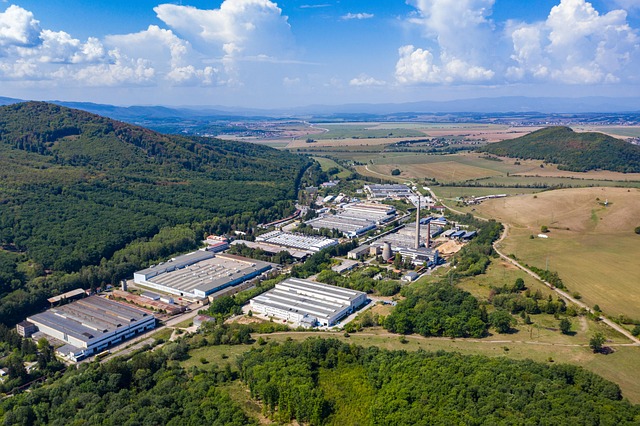
Maximizing industrial property investment requires a strategic approach, especially when considering long-term loans. In Colorado, where industrial property lending is a significant sector, investors can unlock substantial returns by employing tailored strategies. One key strategy involves understanding the unique needs of industrial properties and aligning loan structures accordingly. For instance, financing the renovation of an aging warehouse to modern standards can significantly enhance its value and rental potential over the long term.
Expert lenders in Colorado offer flexible terms for such projects, allowing investors to spread out repayments while benefiting from improved asset valuation. Data suggests that strategic investments in industrial property can yield robust returns; a study tracking commercial real estate trends in the state revealed that industrial properties have consistently outperformed other sectors over the past decade, with average annual appreciation rates exceeding 7%. To capitalize on this, investors should consider long-term loans with fixed interest rates, providing predictability and allowing for better financial planning.
Additionally, diversifying the investment portfolio is crucial. Lenders in Colorado often facilitate this through specialized loan products designed for various industrial sectors. For example, a farmer might secure a long-term loan to purchase new equipment, while a logistics company could access funding for expanding distribution centers. Such strategic financing enables businesses to grow and investors to diversify, mitigating risk and maximizing returns over the loan’s lifespan.
By delving into the intricacies of long-term loans, specifically focusing on industrial property lending in Colorado, this article has equipped readers with a comprehensive understanding of this powerful financial tool. Key insights include recognizing the benefits of long-term financing for business growth, navigating strict eligibility criteria, and demystifying the application process. Industrial property owners in Colorado now have a clear path to unlock investment opportunities by maximizing strategies tailored to their unique assets. The article’s practical guidance ensures that business owners can confidently explore industrial property lending as a game-changer for their ventures.