

The Colorado industrial property lending sector is characterized by diverse lenders, strong market growth, and strategic opportunities. Success requires staying informed about regulations, engaging with industry experts, and considering eco-friendly projects. Building a network of traditional, alternative, and government-backed lenders enhances access to financing, reduces risk, and secures competitive terms. Effective risk management through diversification, due diligence, and property appraisals ensures stability in Colorado's dynamic industrial market.
In today’s dynamic economic landscape, particularly within the vibrant industrial sector of Colorado, access to capital is a cornerstone for business growth and innovation. However, securing funding for industrial property lending can be a complex labyrinth for entrepreneurs and developers. This article delves into the critical issue of navigating the challenges of industrial property financing in Colorado. We explore strategies to foster a robust network of lenders who understand the unique dynamics of this sector, ensuring that businesses have access to the resources they need to thrive and contribute to the state’s economic tapestry.
- Understanding Industrial Property Lending in Colorado
- Building a Robust Network: Lender Selection Strategies
- Navigating Risks: Ensuring Stable Investments in Colorado's Market
Understanding Industrial Property Lending in Colorado

The landscape of industrial property lending in Colorado is a complex yet dynamic sector, crucial for the state’s thriving manufacturing and logistics industries. Lenders play a vital role in supporting businesses acquiring or expanding industrial properties, from warehouse spaces to manufacturing plants. Understanding this specialized niche requires delving into unique factors that influence lending practices in Colorado.
Colorado’s industrial property lending market is characterized by a diverse range of lenders, including traditional banks, credit unions, and alternative financing sources. According to recent industry reports, the state has witnessed a growing trend towards non-bank lenders offering flexible terms and specialized services tailored to industrial real estate. For instance, private equity firms have increasingly invested in industrial property mortgages, providing capital for large-scale projects. This shift diversifies lending options, enabling businesses to access funding that aligns with their specific needs.
Industrial property lending in Colorado is significantly influenced by the state’s robust economy and strategic geographical location. The state’s thriving logistics sector, driven by its central position in the US market, demands efficient warehousing and distribution facilities. Lenders recognize this need, offering tailored financing for the construction or acquisition of such properties. Recent data from the Federal Reserve Bank of Kansas City highlights that Colorado’s industrial real estate investment has shown consistent growth over the past decade, averaging around 8% annual increase in investment volume. This trend presents a lucrative opportunity for lenders who can effectively navigate the unique challenges and rewards inherent in this sector.
To maximize the benefits of industrial property lending in Colorado, lenders should stay updated on state-specific regulations and market trends. Engaging with industry experts and local business networks allows them to identify emerging opportunities. For instance, focusing on sustainable and eco-friendly industrial projects can attract environmentally conscious investors, opening new avenues for financing. By adopting innovative approaches and staying agile, lenders can play a pivotal role in shaping Colorado’s economic future, ensuring the state remains a thriving hub for industrial operations.
Building a Robust Network: Lender Selection Strategies
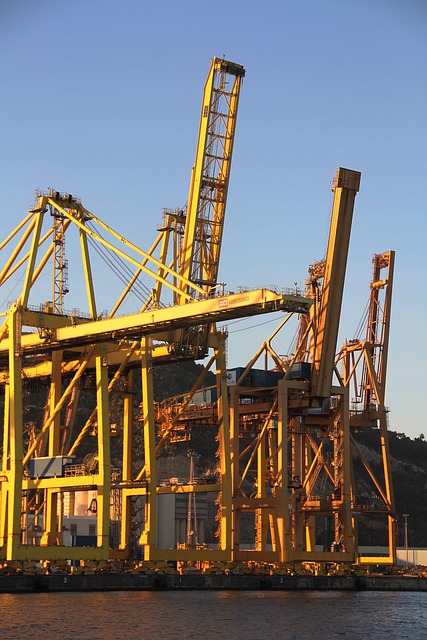
Building a robust network of lenders is paramount for navigating the complex landscape of industrial property lending Colorado. The selection process demands meticulous consideration, as it directly impacts loan availability, terms, and overall success rates. Lenders play a pivotal role in facilitating access to capital, enabling businesses to expand, innovate, and thrive in this competitive market. Therefore, strategic choices should be guided by a blend of financial acumen and an understanding of the local industrial real estate dynamics.
Expert advisors recommend a multi-faceted approach, encompassing both breadth and depth in lender selection. Diversifying one’s network ensures against reliance on a single source, mitigating risk and enhancing negotiation power. For instance, considering a mix of traditional banks, alternative lenders, and government-backed institutions can provide a comprehensive array of financing options tailored to specific industrial property needs. In Colorado, where the industrial sector continues to flourish, data indicates that businesses benefiting from diverse lender networks are more likely to secure competitive rates and flexible terms.
Practical steps include attending industry events, joining relevant professional associations, and leveraging online platforms dedicated to connecting borrowers with lenders. These avenues facilitate direct engagement, allowing for a deeper understanding of each lender’s strengths, specializations, and lending criteria. For instance, some lenders excel in short-term financing for startups, while others focus on long-term, large-scale projects. Customizing the search based on these preferences can significantly streamline the application process. Additionally, seeking referrals from trusted industry peers or consultants who have worked with various lenders can provide valuable insights into their reputations and performance.
Navigating Risks: Ensuring Stable Investments in Colorado's Market

Navigating risks is paramount when investing in Colorado’s dynamic real estate market, particularly within the niche of industrial property lending Colorado has become renowned for. Lenders must carefully assess each project to ensure stability and mitigate potential challenges. A strong network of lenders specialized in this sector plays a pivotal role in managing these risks, as they bring expertise tailored to the unique demands of industrial properties.
Industrial property lending in Colorado presents distinct considerations compared to other asset classes. Factors such as high occupancy rates, volatile commodity prices, and constant market fluctuations can significantly impact profitability. Lenders who specialize in this area understand the nuances of local industries, enabling them to tailor financing terms to align with specific sectoral cycles. For instance, a lender familiar with Colorado’s thriving logistics industry can offer flexible loan structures during periods of e-commerce growth, ensuring borrowers remain resilient during economic shifts.
Risk management strategies within industrial property lending Colorado involve diversifying portfolios and implementing robust due diligence processes. Lenders should analyze market trends, study historical occupancy rates, and assess the stability of tenants’ business models. Additionally, conducting thorough property appraisals is essential to determine asset value and identify potential hidden costs. By combining these approaches, lenders can confidently navigate risks and contribute to a stable investment environment in Colorado’s thriving industrial sector, fostering sustainable growth for both borrowers and the broader market.
In conclusion, this article has provided a comprehensive overview of industrial property lending in Colorado, emphasizing the significance of building a strong network of lenders. Key insights include strategic lender selection, thorough risk assessment, and staying informed about market trends to ensure stable investments. By navigating these aspects carefully, investors can capitalize on the vibrant industrial property lending landscape in Colorado while mitigating potential risks. The article equips readers with practical knowledge, enabling them to make informed decisions and harness the full potential of this robust market.