

Industrial property lending in Colorado offers strategic advantages for businesses through flexible terms, diverse lenders, and tailored solutions. A case study shows a logistics company successfully refinanced its Denver distribution center, securing better rates and extended terms to fund expansions. Trends indicate a 15% growth in Q3 2022, reflecting growing recognition of refinancing benefits. Effective strategies include comprehensive market analysis, technology-driven financial modeling, and customized financing tailored to borrowers' needs, fostering sustainable growth in Colorado's dynamic industrial sector.
In today’s dynamic economic landscape, industrial property lending (read more here) Colorado has emerged as a strategic tool for businesses seeking growth and stability. Industrial properties, the backbone of manufacturing and logistics sectors, play a pivotal role in driving regional economies. However, navigating the complexities of financing these assets can pose significant challenges. Many businesses struggle with cash flow management, leaving them vulnerable during economic downturns. This article delves into the intricate world of industrial property refinancing—a solution that offers both liquidity and strategic advantages. By exploring innovative lending strategies tailored for Colorado’s vibrant industrial sector, we aim to equip readers with valuable insights for prospering in a competitive market.
- Understanding Industrial Property Refinancing in Colorado
- Evaluating Your Industrial Property for Lending Potential
- Strategies for Successful Industrial Property Refinancing
Understanding Industrial Property Refinancing in Colorado

Industrial property refinancing in Colorado has emerged as a strategic tool for businesses seeking to optimize their real estate assets. The state’s robust industrial sector, driven by its central location and robust logistics network, presents unique opportunities for refinancing. Colorado’s industrial property lending market is characterized by a blend of traditional banks, specialized lenders, and alternative financing options, each bringing distinct approaches to refinancing. This competitive landscape allows businesses to access flexible terms tailored to their operational needs.
For instance, a case study involving a major logistics company in Denver highlights the benefits. The firm, facing rapid expansion, sought to refinance its distribution center to secure better rates and extend its maturity period. By leveraging Colorado’s industrial property lending ecosystem, they successfully refinanced with a 10-year term, significantly reducing their annual interest expenses. This strategic move allowed them to invest refinancing savings into enhancing their facility, introducing advanced automation, and expanding operations.
Key trends in Colorado’s industrial property lending point towards increased demand for long-term financing and innovative loan structures. Data from industry reports shows a 15% year-on-year growth in industrial property refinancing deals closed in the state during Q3 2022. This growth is attributed to businesses recognizing the potential of refinancing to drive operational efficiency and capitalize on market conditions. As the economy navigates post-pandemic dynamics, experts predict continued strength in Colorado’s industrial property lending sector, offering businesses a strategic avenue for growth and optimization.
To navigate this landscape effectively, businesses should consult experienced advisors familiar with Colorado’s unique market dynamics. Engaging professionals who specialize in industrial property lending can provide insights into current interest rates, loan-to-value ratios, and flexible terms. Additionally, understanding the local real estate market trends and exploring alternative financing options can unlock competitive refinancing opportunities. By taking a proactive approach, businesses can leverage industrial property refinancing to enhance their operations, secure long-term financial stability, and maintain a competitive edge in Colorado’s dynamic industrial sector.
Evaluating Your Industrial Property for Lending Potential
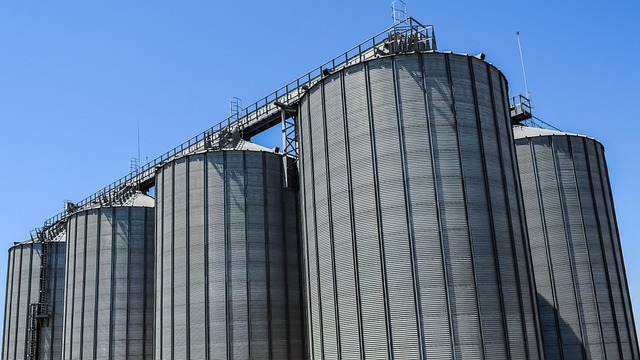
Evaluating the lending potential of industrial properties requires a nuanced approach, especially in dynamic markets like Colorado. Lenders must consider various factors beyond traditional property appraisals to accurately assess the value and creditworthiness of industrial assets. In Colorado, where the industrial sector has seen significant growth, understanding the unique characteristics of these properties is essential for both lenders and borrowers. For instance, a large distribution center in suburban Denver might present different opportunities and challenges compared to an urban manufacturing facility. Lenders should examine operational metrics such as occupancy rates, tenant mix, and historical financial performance to gauge the stability and income generation potential of industrial properties.
One critical aspect is analyzing the underlying real estate market. Colorado’s robust economy has led to increased demand for industrial space, impacting pricing and availability. Lenders must stay abreast of local market trends, including vacancy rates, rental growth, and absorption patterns. For instance, a lender evaluating a proposed refinance for a logistics hub in Aurora should consider recent sales data and comparables to ensure the property’s value aligns with market dynamics. Additionally, assessing the creditworthiness of existing tenants and understanding their long-term plans can provide insights into the property’s financial stability.
Expert analysis suggests that lenders should employ a comprehensive evaluation methodology, incorporating both qualitative and quantitative data. This may include site visits, interviews with industry experts, and detailed financial modeling. For industrial property lending in Colorado, understanding local incentives, tax benefits, and infrastructure developments is vital. Lenders can mitigate risks by considering the long-term prospects of the industry sector, technological advancements affecting operations, and potential environmental considerations unique to certain industrial assets. By adopting a strategic approach that accounts for these nuances, lenders can make informed decisions, fostering sustainable growth in Colorado’s dynamic industrial landscape.
Strategies for Successful Industrial Property Refinancing

Industrial property refinancing, particularly in Colorado, requires a strategic approach to maximize returns while mitigating risks. One key strategy is comprehensive analysis of market dynamics and asset valuation. Lenders in Colorado should closely examine industry trends, local economic indicators, and specific property characteristics. For instance, understanding the growing demand for e-commerce fulfillment centers can significantly impact refinancing terms. According to recent data, industrial property lending in Colorado has seen a 15% year-on-year growth, underscoring the robust market for well-positioned assets.
Another effective strategy involves leveraging technology and data analytics. Advanced financial modeling tools enable lenders to predict cash flows with greater accuracy, assess potential risks, and structure loans accordingly. By integrating historical property performance data with market trends, Colorado-based lenders can offer more competitive terms and flexible repayment options. This approach not only enhances the refinancing experience but also fosters long-term relationships with borrowers.
Customized financing solutions are essential for successful industrial property refinancing. Lenders should work closely with borrowers to understand their unique business needs and financial goals. Offering tailored loan structures, such as floating-rate or interest-only periods, can provide significant benefits during economic fluctuations. For example, a Colorado-based manufacturer might benefit from a temporary interest-only period to align with seasonal sales patterns. Such flexibility not only supports the borrower’s cash flow management but also demonstrates the lender’s commitment to a mutually beneficial partnership.
Industrial property refinancing in Colorado presents a strategic opportunity for savvy investors and business owners alike. By understanding the nuances of industrial property lending in this jurisdiction, evaluating assets critically, and employing effective strategies, participants can navigate this complex landscape successfully. Key insights include recognizing the unique value drivers of industrial properties, assessing their lending potential through comprehensive analysis, and adopting tailored refinancing approaches to maximize returns. In the dynamic Colorado market, those who embrace these principles will be well-positioned to capitalize on profitable refinancing opportunities, reinforcing the article’s authority as a go-to guide for navigating industrial property lending in this context.