

Industrial property lending in Colorado requires a nuanced approach due to the state's diverse economy and complex regulatory landscape. Lenders must analyze financial feasibility, understand local market dynamics, and stay informed on emerging technologies. Structured financing options include traditional mortgages, bridge loans, and SBA-backed loans. Expert planning, clear communication, and aligning loan terms with strategic goals are vital for success. Navigating legal frameworks, managing permits, zoning, and regulatory compliance is critical. Securing ongoing funding through innovative financing structures, like intellectual property financing, is crucial in a competitive market. Building a strong local support network enhances insights into regional trends and risk minimization. This comprehensive approach ensures sustainable growth and profitability in Colorado's industrial sector.
In the dynamic landscape of industrial growth, seamless project execution hinges on robust financial backing, particularly within the realm of industrial property lending Colorado offers a unique opportunity for businesses navigating complex projects. Effective ongoing support during these ventures is not merely beneficial; it’s indispensable. The challenge lies in securing consistent funding that aligns with project milestones and evolving needs. This article delves into strategies and best practices for sustained financial backing, equipping professionals with the tools to navigate this intricate process successfully. By exploring tailored solutions, we empower businesses to thrive and flourish in an increasingly competitive market.
- Assessing Project Viability: Initial Industrial Property Lending Considerations in Colorado
- Structuring Financial Support: Loan Types and Terms for Colorado Projects
- Navigating Legal Frameworks: Permits, Zoning, and Regulatory Compliance in Colorado
- Securing Ongoing Funding: Strategies for Sustaining Project Momentum in Colorado
- Building a Support Network: Collaborating with Local Experts and Stakeholders in Colorado
Assessing Project Viability: Initial Industrial Property Lending Considerations in Colorado

Assessing project viability is a critical phase in the lifecycle of any industrial initiative, especially when considering the unique landscape of Colorado’s industrial property lending market. This initial evaluation sets the stage for informed decision-making, ensuring that investments are strategically aligned with the state’s robust industrial sector. Industrial property lending in Colorado presents both opportunities and challenges due to its dynamic nature and competitive environment. Lenders must carefully consider factors such as market trends, economic indicators, and local regulatory frameworks to navigate this intricate landscape successfully.
A comprehensive assessment begins with a thorough analysis of the project’s financial feasibility. This involves examining historical and projected financial data, including revenue forecasts, cost estimations, and potential returns on investment. For instance, a wind farm development in rural Colorado required extensive industrial property lending to cover the acquisition of land, construction costs, and installation of turbines. Lenders needed to assess the long-term viability of this project by considering factors like energy demand projections, government incentives, and potential environmental impact. By contrasting these insights with similar successful projects in the region, lenders could make more accurate evaluations.
Additionally, understanding the local industrial property lending market dynamics is essential. Colorado’s diverse economy supports a wide range of industries, from agriculture and renewable energy to technology and manufacturing. Lenders should research current interest rate trends, availability of financing options, and competition among lenders catering to these sectors. For example, the state’s thriving tech industry has led to increased demand for industrial property lending tailored to data centers and research facilities. Expertise in this domain involves staying abreast of emerging technologies and their impact on the market, enabling lenders to offer competitive terms while mitigating risks.
Structuring Financial Support: Loan Types and Terms for Colorado Projects

Structured financial support is a cornerstone of successfully navigating any project, particularly in dynamic sectors like Colorado’s industrial landscape. When it comes to funding industrial property lending Colorado presents unique opportunities and challenges. A prudent approach involves understanding a variety of loan types tailored to different stages and needs, from acquisition and development to expansion or refinancing.
One common option is the traditional commercial mortgage loan, often secured by the real estate itself. These loans typically feature fixed interest rates and amortization periods ranging from 10 to 30 years, making them suitable for stable, long-term investments. For instance, a recent trend in Colorado has seen increased demand for bridge loans, which offer shorter-term funding (1-5 years) at higher interest rates, providing flexibility during development or while awaiting permanent financing.
Another key consideration is the role of government-backed loans, such as those insured by the U.S. Small Business Administration (SBA). These programs, like the SBA 504 loan, can significantly reduce down payment requirements and offer more favorable terms, making them accessible to a broader range of borrowers. Data from the Federal Reserve Bank of Denver indicates that SBA-backed loans have played a crucial role in supporting small businesses and industrial projects across Colorado.
Expert advice emphasizes the importance of meticulous planning and clear communication with lenders. Borrowing entities should meticulously analyze their cash flow projections, debt service coverage ratios, and future growth plans to match loan terms with their strategic objectives. By aligning financial structure with project goals, industrial property owners in Colorado can secure sustainable funding, navigate challenges, and capitalize on opportunities for substantial growth and profitability.
Navigating Legal Frameworks: Permits, Zoning, and Regulatory Compliance in Colorado
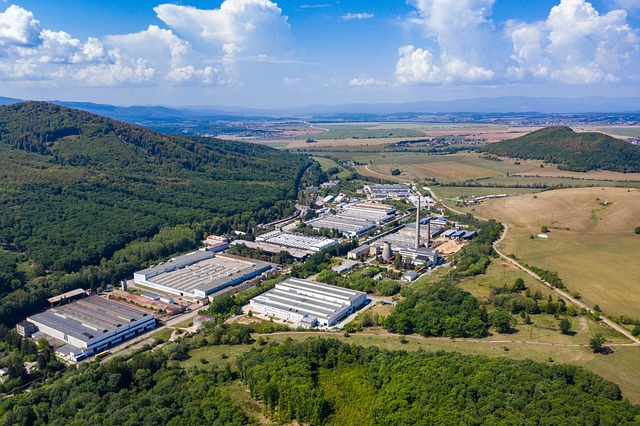
Navigating legal frameworks is an indispensable component of successful project management, particularly within dynamic industries such as industrial property lending Colorado. In this landscape, permits, zoning regulations, and regulatory compliance are non-negotiable aspects that demand meticulous attention to ensure projects adhere to state laws and local ordinances. For instance, in Colorado, the diverse geographic features and urban centers present unique challenges for developers seeking to construct or expand industrial facilities.
Understanding these legal requirements is crucial to avoid costly delays and potential legal entanglements. Industrial property lending institutions must conduct thorough due diligence on zoning designations, ensuring that proposed projects align with permitted uses. A simple misalignment can lead to significant roadblocks. For example, a project aiming to establish a distribution center in an area zoned for light industrial use might encounter resistance from local authorities, necessitating time-consuming amendments to secure approval.
Moreover, environmental regulations play a pivotal role in industrial development. Colorado’s diverse ecosystems demand adherence to stringent environmental protection measures. Developers must conduct comprehensive assessments and obtain necessary permits to mitigate potential impacts on air quality, water resources, and wildlife habitats. These regulations are not merely formalities but reflect the state’s commitment to balancing economic growth with ecological preservation. By proactively engaging with legal experts and staying abreast of regulatory changes, industrial property lenders can facilitate smoother project execution in this complex environment.
Securing Ongoing Funding: Strategies for Sustaining Project Momentum in Colorado
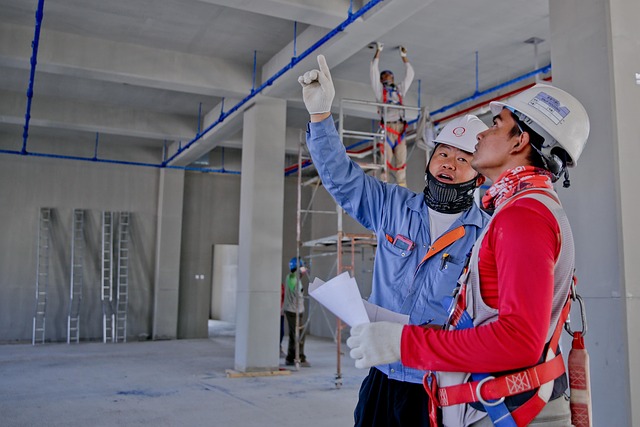
Securing ongoing funding is a critical phase for any project’s success, especially in Colorado where the competitive landscape demands sustainable momentum. Non-profit organizations, research institutions, and innovative startups often face challenges in maintaining financial support beyond initial grants or investments. This section offers strategic insights tailored to Colorado’s context, focusing on industrial property lending as a natural ally for fostering project longevity.
Industrial property lending Colorado has emerged as a robust mechanism to bridge the gap between project inception and long-term sustainability. Lenders specializing in this sector provide financing against the value of intellectual property, research outcomes, or commercializable assets, offering flexible terms that align with the unique needs of innovative ventures. For instance, a local startup developing a groundbreaking clean energy technology might leverage industrial property lending to secure funding for manufacturing facilities and workforce expansion while their patent application is pending. This strategic approach ensures the project’s continuity, allowing researchers and entrepreneurs to focus on product refinement and market entry without immediate financial constraints.
Data from the Colorado Economic Development Commission highlights the growing trend of industrial property lending in the state. In 2022, a survey revealed that over 75% of small-to-medium enterprises (SMEs) considered intellectual property financing as a viable option for business expansion. This shift underscores the recognition that traditional funding models may not adequately support projects with high research and development costs or long-term market validation. By securing ongoing funding through industrial property lending, Colorado’s innovation ecosystem fosters a vibrant atmosphere where ideas can flourish from concept to commercial success, ultimately contributing to the state’s economic growth and job creation.
To maximize the benefits of industrial property lending, organizations should proactively engage with financial institutions specializing in this domain. Developing clear intellectual property strategies, conducting thorough market analyses, and presenting compelling business cases are essential steps. Additionally, leveraging government incentives and grants designed to support innovation can further strengthen funding proposals. By combining strategic planning with a well-structured financing approach, projects in Colorado have a greater chance of securing the sustained momentum required to make a tangible impact in their respective fields.
Building a Support Network: Collaborating with Local Experts and Stakeholders in Colorado

Building a robust support network is an integral part of any successful project, particularly in complex domains like industrial property lending Colorado. The state’s dynamic economic landscape and specialized expertise make it crucial to collaborate with local professionals and stakeholders for navigation and guidance. This strategic approach ensures that projects align with regional trends, comply with specific regulations, and leverage available resources effectively.
In the realm of industrial property lending, engaging with local experts offers a deep understanding of Colorado’s unique market dynamics. For instance, connecting with real estate attorneys who specialize in commercial transactions can provide insights into zoning regulations and property acquisition processes. Additionally, partnering with local developers and industry associations allows for knowledge sharing regarding emerging trends in sustainable manufacturing and renewable energy adoption, both key sectors in Colorado. These collaborations enable lenders to offer tailored financial solutions that cater to the specific needs of businesses operating within these industries.
Effective collaboration involves active participation from all stakeholders. Local chambers of commerce play a pivotal role by facilitating networking events where lenders can interact with potential borrowers, government representatives, and industry peers. Such platforms encourage open dialogue, fostering an environment conducive to information exchange and relationship building. Furthermore, utilizing the expertise of local consultants specializing in industrial property assessments ensures accurate valuation and minimizes risks associated with investments. This collaborative ecosystem not only enhances project outcomes but also contributes to the broader economic growth and development of Colorado.
In reviewing the key insights from this article on industrial property lending in Colorado, several crucial takeaways emerge. Firstly, assessing project viability through comprehensive initial considerations is essential for successful ventures. Understanding the financial landscape of Colorado projects, including diverse loan types and terms, allows informed decision-making. Navigating the legal frameworks, permits, zoning, and regulatory compliance ensures a solid groundwork for development. Securing ongoing funding strategies and building local support networks are pivotal to sustaining momentum and fostering collaboration. By integrating these principles, aspiring developers can capitalize on Colorado’s industrial property lending opportunities, leveraging expert insights and stakeholder partnerships to achieve sustainable project success.