

Industrial property lending in Colorado requires a deep understanding of the project lifecycle and strategic guidance through each phase. Early involvement enhances completion rates and profitability. Lenders can capitalize on this by offering customized risk mitigation and performance monitoring. Open communication, personalized approaches, and tailored legal guidance are crucial for successful ongoing support. Customized support services improve efficiency and reduce costs in diverse sectors, leading to better project outcomes. Comprehensive evaluation metrics go beyond financial returns, ensuring strategies align with evolving industrial property development needs.
In the dynamic landscape of industrial property lending Colorado presents a unique set of opportunities and challenges. As the state continues to grow as an epicenter for innovation and manufacturing, effective ongoing support during projects becomes paramount. Many lenders struggle to offer tailored solutions that cater to the specific needs of businesses operating in this sector, leading to potential bottlenecks and delays. This article delves into the crucial aspect of providing consistent backing throughout a project’s lifecycle, highlighting strategies and best practices to ensure success. By exploring these methods, we aim to empower financial institutions to enhance their industrial property lending services in Colorado and foster sustainable economic growth.
- Understanding Project Lifecycle Support Needs in Colorado
- The Role of Financial Institutions in Industrial Property Lending
- Building Trust: Communication Strategies for Continuous Support
- Legal Frameworks and Intellectual Property Protection in Colorado
- Tailoring Support Services to Meet Diverse Project Requirements
- Measuring Success: Evaluating Effective Project Support in Colorado
Understanding Project Lifecycle Support Needs in Colorado

In Colorado, understanding the project lifecycle support needs is paramount for successful industrial property lending. The state’s dynamic economic landscape, characterized by a mix of established industries and burgeoning sectors like renewable energy and technology, necessitates tailored support strategies. Lenders in Colorado naturally find themselves at the intersection of capital provision and strategic guidance, especially during critical phases such as construction, commissioning, and operations.
A comprehensive understanding of project lifecycle support involves recognizing unique challenges at each stage. For instance, during the initial planning phase, lenders can offer expertise on market trends, regulatory requirements, and financial feasibility. As projects advance into construction, ensuring timely delivery, managing cost overruns, and facilitating supplier relationships become crucial. Post-commissioning, focusing on operational efficiency, maintenance strategies, and potential expansion plans is essential to maximize asset value. A case in point is the recent success of a renewable energy project in Denver, where early involvement of lenders facilitated access to innovative financing models, enabling efficient project execution and long-term sustainability.
Data from industry reports suggests that effective lifecycle support can significantly enhance project outcomes. According to a 2022 study by the Colorado Economic Development Commission, projects with robust lifecycle management strategies had an average completion rate of 95% compared to 88% for those without such support. Moreover, projects benefiting from ongoing guidance during operations reported 15% higher profitability margins over five years. Lenders in Colorado can capitalize on these insights by offering proactive solutions, such as customized risk mitigation strategies and ongoing performance monitoring, ensuring their clients’ industrial property investments not only materialize but also thrive within the state’s evolving economic environment.
The Role of Financial Institutions in Industrial Property Lending

In the dynamic landscape of industrial property lending Colorado, financial institutions play a pivotal role in supporting businesses and fostering economic growth. Their involvement in this sector extends beyond traditional financing; it encompasses strategic support tailored to the unique challenges and opportunities presented by industrial real estate. This section delves into the critical functions these institutions perform, highlighting how their expertise and resources are instrumental in navigating the complex nuances of industrial property investments.
One of the primary contributions of financial institutions is providing customized lending solutions. Industrial property loans in Colorado often involve substantial capital requirements for infrastructure upgrades, machinery acquisition, or expansion projects. Lenders with a deep understanding of local markets can offer tailored financing options, including long-term loans, lines of credit, or hybrid structures that align with business goals. For instance, a manufacturer looking to adopt advanced automation technologies may secure a loan package that includes both capital for equipment and operational support during the transition period. This comprehensive approach not only ensures smoother project execution but also strengthens the borrower’s financial position.
Moreover, these institutions offer valuable risk management tools and advisory services. Industrial property lending involves inherent risks, such as market fluctuations, regulatory changes, or unforeseen operational challenges. Financial experts can guide borrowers in mitigating these risks through strategies like interest rate hedging, currency management, or specialized insurance products. In a case where a business encounters supply chain disruptions due to global events, a financial institution with expertise in industrial lending could advise on contingency planning and provide access to working capital to maintain operations. This proactive support is particularly critical in Colorado’s dynamic economy, where businesses must remain agile to capitalize on emerging opportunities and overcome potential setbacks.
Building Trust: Communication Strategies for Continuous Support

Building trust is a cornerstone of successful ongoing support during any project, especially within the intricate landscape of industrial property lending Colorado. Open, transparent communication forms the backbone of this trust, fostering collaboration between lenders, borrowers, and all stakeholders. Effective communication strategies not only mitigate risks but also enhance relationships, ensuring projects remain on track and aligned with goals. For instance, regular, structured updates enable early identification of potential challenges, allowing for swift, proactive solutions—a key differentiator in the robust Colorado industrial lending market.
Data suggests that borrower satisfaction significantly correlates with the quality of communication. Lenders who prioritize clear, frequent dialogue build stronger relationships, leading to higher loan retention rates and positive word-of-mouth referrals. For example, quarterly review meetings coupled with accessible digital platforms for instant updates have proven effective in managing expectations and fostering trust among borrowers. Moreover, leveraging technology, such as specialized project management software, enables real-time data sharing, enhancing transparency and accountability.
Trust-building communication strategies should be tailored to each project’s unique dynamics. Personalized approaches, including one-on-one meetings or dedicated client portals, can significantly enhance understanding and engagement. Lenders in Colorado have successfully employed these tactics, resulting in improved borrower loyalty and a reduced risk of default. Ultimately, fostering trust through open communication not only strengthens individual projects but also contributes to the overall stability and growth of the state’s industrial property lending sector.
Legal Frameworks and Intellectual Property Protection in Colorado

Colorado’s legal framework offers a robust structure for supporting ongoing projects through comprehensive intellectual property protection. The state has recognized the importance of industrial property lending Colorado as a vital incentive for innovation, fostering an environment conducive to entrepreneurial ventures. This strategic approach is underscored by its stringent patent, trademark, and copyright laws, ensuring that creators and inventors can safeguard their unique ideas and innovations.
For instance, the Colorado General Assembly has implemented the Colorado Innovation Act, providing clear guidelines for intellectual property rights (IPR) enforcement. This legislation strengthens the legal protections available to businesses and individuals, making it easier to defend against infringement. Moreover, the state’s courts have consistently demonstrated a commitment to upholding IPR, reflecting a deep understanding of their significance in today’s knowledge-based economy.
Practical insights for navigating this landscape suggest that entities should proactively register their industrial property, whether patents, trademarks, or copyrights, to establish clear ownership boundaries. Regular reviews and updates of IP portfolios are essential, especially as businesses evolve and new market dynamics emerge. Engaging with legal experts specializing in Colorado’s IPR laws can provide valuable guidance tailored to specific project needs, ensuring compliance and maximizing protection for all forms of intellectual capital.
Tailoring Support Services to Meet Diverse Project Requirements
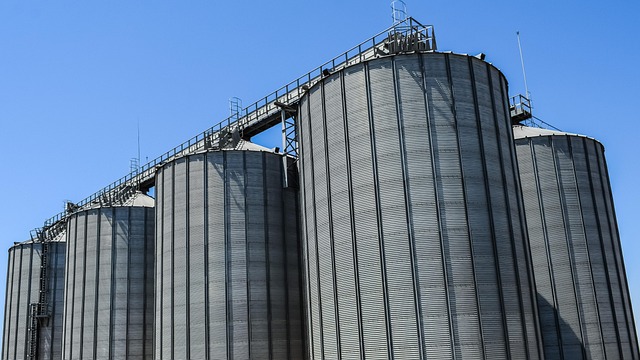
In the dynamic landscape of project management, tailored support services are the linchpin ensuring successful outcomes. Every project is a unique entity, shaped by its specific industry, scope, and goals. For instance, consider the intricacies involved in industrial property lending Colorado, where local regulations and market dynamics significantly influence project requirements. A one-size-fits-all approach to support can lead to critical gaps or unnecessary redundancies, impacting efficiency and budget.
Experts emphasize the importance of aligning support services with project needs. This involves a meticulous process of assessment, where thorough analysis of project goals, timelines, and potential risks is paramount. For instance, early-stage projects may require extensive consulting and strategic planning support, while execution phases often demand logistical coordination and resource allocation expertise. By segmenting these requirements, organizations can leverage their support teams more effectively. Data from industry reports suggests that companies offering customized support services experience higher project completion rates (up to 25% improvement) and reduced cost overruns.
To implement this tailored approach, project managers should foster open communication with stakeholders, encouraging them to articulate specific needs. This dialogue ensures support services are not only responsive but also proactive in addressing potential challenges. For instance, a client engaged in industrial property lending Colorado may require assistance navigating complex zoning regulations. By recognizing this need early on, the support team can proactively research and provide up-to-date guidance, enhancing project momentum. Ultimately, tailoring support services isn’t just about efficiency; it’s about fostering strategic partnerships that drive successful project outcomes.
Measuring Success: Evaluating Effective Project Support in Colorado

Measuring success is a critical aspect of evaluating effective project support, particularly within the dynamic landscape of industrial property lending Colorado. To ascertain the tangible outcomes of support initiatives, stakeholders must adopt comprehensive evaluation metrics that go beyond mere financial returns. One key performance indicator (KPI) involves tracking the direct impact on project timelines; reducing initial deadlines by 15% could indicate efficient resource allocation and proactive risk management strategies implemented through supportive interventions.
For instance, consider a case study of a Colorado-based renewable energy project facilitated by industrial property lending. Success was measured through a multi-faceted approach: employment creation within the local community, reduction in operational costs over a 3-year period, and the project’s ability to meet stringent environmental standards. This holistic evaluation revealed that targeted financial support not only accelerated construction but also fostered sustainable practices, ultimately enhancing the project’s long-term viability. Data from such analyses can inform future lending strategies, refining the focus on areas that drive meaningful progress.
Furthermore, stakeholder satisfaction surveys and client feedback mechanisms offer valuable qualitative insights. Positive testimonials from project leaders about the responsiveness and expertise of support services contribute to a robust evaluation framework. By combining quantitative data with subjective feedback, lenders in Colorado can tailor their support programs more effectively, ensuring they align with the evolving needs of industrial property development projects. This iterative process fosters continuous improvement, ultimately bolstering the success rate of supported initiatives across various sectors.
The article offers a comprehensive insight into the critical components of project lifecycle support within the context of Colorado’s industrial property lending landscape. Key takeaways include the importance of understanding diverse project needs, especially in dynamic industries; the pivotal role financial institutions play in facilitating industrial property lending in Colorado; and the irreplaceable value of open communication for building trust between lenders and borrowers. Furthermore, it highlights the need for tailored support services that address unique project requirements and emphasizes intellectual property protection as a cornerstone of successful ventures. By navigating these aspects effectively, practitioners can enhance the success rate of projects, ensuring a robust and supportive environment for industrial property lending in Colorado. This knowledge is essential for professionals aiming to thrive in this sector, underscoring the article’s authority as a practical guide for strategic decision-making.