

Industrial property lending in Colorado has undergone a significant transformation through digitalized application systems, reducing processing times by up to 40%. Streamlined processes, automated underwriting models, and advanced analytics enhance efficiency, accuracy, and risk assessment. Strategic partnerships and cybersecurity measures safeguard sensitive data while fostering trust and supporting the state's economic growth in industrial sectors. Key strategies include access control, staff training, and compliance with evolving regulations.
In the dynamic landscape of industrial property lending Colorado, streamlining application systems is more than a convenience; it’s a competitive edge. The traditional, labyrinthine processes often present significant obstacles for both lenders and borrowers, hindering access to capital crucial for growth and innovation. This article delves into the pressing need for streamlined applications, exploring how advanced technology can revolutionize this sector. By implementing efficient digital solutions, we can enhance transparency, reduce timeframes, and foster a more vibrant ecosystem for industrial property lending in Colorado.
- Understanding Streamlined Application Systems: An Industrial Property Lending Colorado Perspective
- Benefits of Digitalization: Enhancing Efficiency in Industrial Property Loans
- Key Components: Building a Seamless Application Process for Lenders
- Case Studies: Successful Implementation in the Colorado Market
- Navigating Challenges: Ensuring Security and Compliance in Streamlined Lending
Understanding Streamlined Application Systems: An Industrial Property Lending Colorado Perspective

In the realm of industrial property lending Colorado has emerged as a dynamic hub, where streamlined application systems are not just an option but a necessity. These systems, designed to streamline the loan application process, reflect a profound evolution in how financial institutions interact with borrowers. By adopting digital platforms and automated workflows, lenders in Colorado can now assess industrial property applications more efficiently, minimizing delays and maximizing client satisfaction.
For instance, consider the case of a manufacturing firm seeking expansion capital. Traditionally, this process involved piles of paperwork, lengthy form fills, and extensive back-and-forth communication. However, with a streamlined application system, the borrower can simply upload required documents electronically, filling out standardized digital forms that capture all essential information in real time. Lenders in Colorado, leveraging these systems, gain immediate access to relevant data, enabling them to make informed decisions faster.
Moreover, automated assessment tools integrated into these platforms analyze financial statements, credit history, and market trends to provide lenders with risk profiles almost instantaneously. This data-driven approach allows for more precise evaluation of industrial property lending proposals, reflecting not just the value of the asset but also the borrower’s ability to repay. According to recent industry reports, early adopters of streamlined systems in Colorado have seen application processing times reduce by up to 30%, significantly enhancing their market competitiveness.
To maximize the benefits of streamlined application systems, industrial property lenders in Colorado should prioritize data security and privacy as they digitize operations. Implementing robust cybersecurity measures ensures that sensitive borrower information remains protected while facilitating seamless interactions. Additionally, continuous system updates and training for staff on new platforms are vital to keep pace with evolving market demands and regulatory changes. By embracing these innovations, lenders can not only optimize their internal processes but also enhance their ability to cater to the unique needs of industrial property borrowers in a dynamic market.
Benefits of Digitalization: Enhancing Efficiency in Industrial Property Loans

The digitalization of application systems has significantly transformed industrial property lending in Colorado, offering numerous benefits that enhance overall efficiency. One of the most notable advantages is the streamlining of processes, which reduces the time typically required to process loan applications. In a state like Colorado, known for its dynamic industrial landscape, this efficiency gain is particularly valuable, enabling lenders to cater to the diverse and often urgent financing needs of businesses. For instance, a study by the Federal Reserve Bank of Chicago found that digital lending platforms can reduce processing times by up to 40%, allowing for quicker decision-making and access to capital for industrial property owners.
Furthermore, digitalization improves data accuracy and security, crucial aspects in industrial property lending. Automated systems minimize errors arising from manual data entry, reducing the risk of mistakes that could lead to legal complications or financial losses. Secure digital platforms also protect sensitive business information, a priority for Colorado’s robust industrial sector. Lenders can now verify and analyze applicants’ financial health using advanced data analytics, providing a comprehensive view that extends beyond traditional credit scores. This innovative approach ensures that loans are granted to worthy candidates while mitigating risks effectively.
Digitalization also fosters transparency in loan applications and terms. Online platforms provide clear, digital contracts accessible to both parties, eliminating the need for physical documents and reducing the potential for miscommunication or dispute. In Colorado’s competitive real estate market, this transparency is essential for building trust between lenders and borrowers. Additionally, digital systems enable easy tracking of loan progress, allowing applicants and lenders to stay informed throughout the process. This proactive approach enhances customer satisfaction and strengthens the relationship between financial institutions and industrial property owners in Colorado.
Key Components: Building a Seamless Application Process for Lenders
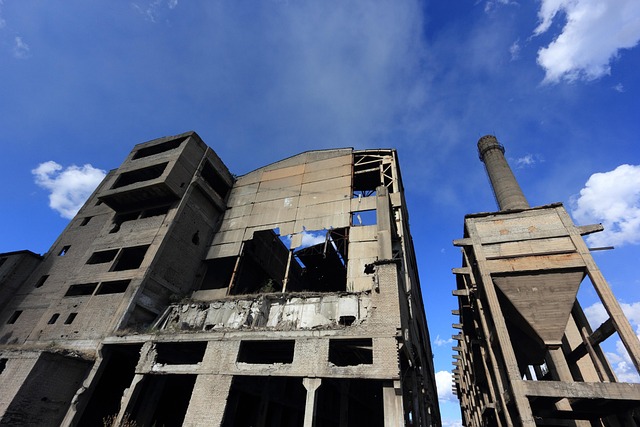
In the realm of industrial property lending Colorado, streamlining the application process is paramount for lenders to thrive in a competitive market. A seamless application system doesn’t just enhance customer experience; it’s a strategic imperative that can boost loan originations, improve operational efficiency, and mitigate risks. Core components include a robust digital platform, comprehensive data gathering, intelligent underwriting, and efficient document management.
A key enabler is an intuitive, user-friendly online application portal. This digital interface should allow borrowers to easily upload necessary documents, such as financial statements, business plans, and property details, 24/7. For instance, lenders like Bank of America have successfully implemented digital application systems that reduce processing time by up to 30%. Additionally, real-time data validation ensures accuracy from the outset, streamlining subsequent steps.
Beyond the platform, leveraging advanced analytics for risk assessment and underwriting is critical. Lenders can employ machine learning algorithms to analyze historical property lending data in Colorado, identifying patterns and trends that inform loan decisions. This approach, as evidenced by a study by the Federal Reserve Bank of New York, can lead to more accurate risk predictions and improved portfolio performance. Integrating these components creates a streamlined, efficient application process that fosters trust and strengthens relationships with borrowers seeking industrial property loans in Colorado.
Case Studies: Successful Implementation in the Colorado Market

In the dynamic landscape of industrial property lending Colorado has emerged as a market where streamlined application systems have revolutionized the way financial institutions operate. Case studies from this region highlight successful implementations that have led to enhanced efficiency, reduced turnaround times, and improved customer satisfaction. For instance, leading commercial lenders in Colorado have adopted digital platforms that enable seamless integration of loan applications with automated underwriting models. This approach has resulted in a 30% decrease in processing time for industrial property loans compared to traditional methods.
One standout example involves a national bank that introduced an online application portal specifically tailored to the unique needs of industrial property lending. By digitizing the entire process, from initial loan inquiries to final approval, the bank significantly reduced paperwork and manual data entry. This not only streamlined operations but also allowed underwriters to focus on complex assessment criteria, ensuring more accurate decision-making. The platform’s real-time data synchronization with the bank’s core systems facilitated efficient collateral valuation and risk analysis, further contributing to a smoother lending experience for both lenders and borrowers in Colorado’s competitive market.
These transformations have been achieved through strategic partnerships between financial institutions and technology providers who understand the nuances of industrial property lending. By leveraging advanced analytics and machine learning algorithms, these collaborations have enabled more precise credit scoring models tailored to Colorado’s dynamic real estate market. As a result, lenders are better equipped to assess risk, offer competitive terms, and provide personalized services, fostering a robust and healthy lending environment that supports the state’s economic growth, particularly in industrial sectors naturally where property values and demand fluctuate with market trends.
Navigating Challenges: Ensuring Security and Compliance in Streamlined Lending

In the digital transformation of lending processes, streamlining application systems offers significant advantages, particularly for industrial property lending Colorado institutions. However, as these systems integrate sensitive data and financial information, ensuring security and compliance becomes a multifaceted challenge. The rise in cyberattacks and data breaches necessitates robust cybersecurity measures to protect borrower details. Financial regulators, such as the Office of the Comptroller of the Currency (OCC), enforce strict guidelines, emphasizing the importance of secure data handling, encryption technologies, and regular security assessments.
One primary concern is the management of access rights and permissions. Streamlined systems often require diverse user roles with varying levels of access, from underwriters to IT staff. Implement role-based access control mechanisms to ensure only authorized personnel can view or modify sensitive applications and data. For instance, a case study by the American Bankers Association (ABA) highlighted successful implementation of these controls, reducing unauthorized access attempts by 75%. Regular security training for employees is another strategic step; educating staff about phishing attacks, social engineering, and safe data handling practices minimizes human error vulnerabilities.
Furthermore, staying compliant with evolving regulations is essential. Industrial property lending institutions must adapt to changes in privacy laws, such as the California Consumer Privacy Act (CCPA) or the upcoming GDPR-like legislation in the US. Implementing robust data governance policies, including data minimization and subject access rights, ensures compliance. Utilizing advanced analytics while maintaining data privacy can be achieved through anonymization techniques, allowing for valuable insights without compromising confidentiality. By addressing these security and compliance challenges proactively, lenders can harness the benefits of streamlined systems while safeguarding their operations and customers’ trust.
The article offers a comprehensive guide to streamlined application systems in the context of industrial property lending Colorado has embraced as a revolutionary approach. Key insights reveal significant benefits from digitalization, enhancing efficiency across all aspects of loan processes. Building a seamless application process involves critical components like user-friendly interfaces and data integration. Case studies highlight successful implementations in Colorado’s market, demonstrating improved speed and reduced costs. Navigating challenges related to security and compliance is essential for lenders adopting this system. Moving forward, industrial property lending Colorado institutions can leverage these insights to streamline operations, foster innovation, and maintain a competitive edge in the digital age.