

Streamlined digital application systems are revolutionizing industrial property lending in Colorado, offering significant advantages over traditional methods. These platforms reduce processing times by up to 30%, enhance security with advanced encryption, and provide real-time status updates for improved transparency. Lenders can leverage data analytics for trend identification, market demand assessment, and strategic optimization. By adopting best practices, including AI-driven automation, clear communication, and centralized digital platforms, the Colorado industrial property lending landscape becomes more efficient, adaptive, and appealing to investors.
In today’s dynamic business landscape, particularly within the realm of industrial property lending Colorado has become a hotbed for innovation, efficient application systems are no longer a luxury but an imperative. The traditional, cumbersome processes have long been a roadblock for both lenders and borrowers, hindering swift access to capital crucial for growth and expansion. This article delves into the significance of streamlining these applications, offering insights into how advanced digital platforms can revolutionize the lending sector. By examining industrial property lending Colorado’s natural evolution, we aim to illuminate practical solutions that not only enhance efficiency but also foster a robust economic environment.
- Understanding Streamlined Application Systems: An Overview
- Benefits of Digitalization in Industrial Property Lending
- Implementing Efficient Processes in Colorado's Real Estate Market
- Best Practices for Secure and Transparent Application Management
Understanding Streamlined Application Systems: An Overview

Streamlined application systems have emerged as a game-changer across various industries, revolutionizing how businesses and individuals manage complex processes. In the realm of industrial property lending Colorado, these systems play a pivotal role in simplifying and accelerating application procedures. By adopting digital platforms, traditional, often cumbersome tasks are transformed into efficient, user-friendly experiences.
At their core, streamlined application systems integrate robust software solutions with intuitive interfaces, enabling users to submit applications, track progress, and access critical information seamlessly. For instance, many financial institutions in Colorado have implemented advanced lending platforms that facilitate industrial property acquisitions. These platforms allow borrowers to securely upload documents, complete online forms, and receive real-time updates on application status, replacing manual, time-consuming methods. This shift has not only enhanced customer satisfaction but also enabled lenders to process a higher volume of applications with reduced operational costs.
Moreover, these systems offer valuable insights through data analytics, providing stakeholders with actionable information. Lenders in Colorado can leverage application data to identify trends, assess market demand, and optimize lending strategies. For example, analyzing successful industrial property loan applications over time may reveal specific industry sectors or locations that present lower risk profiles, guiding future investment decisions. By embracing streamlined systems, the industrial property lending landscape in Colorado is not only made more efficient but also informed by data-driven insights, fostering a robust and adaptive market.
Benefits of Digitalization in Industrial Property Lending

The digitalization of application systems has brought about significant transformations in the landscape of industrial property lending in Colorado. This evolution, marked by the seamless integration of technology, offers a multitude of benefits that enhance efficiency, accessibility, and security for all stakeholders involved. One of the most notable advantages is the streamlining of the loan application process. Traditionally cumbersome and time-consuming, this process has been revolutionized through digital platforms, allowing borrowers to submit applications with just a few clicks. This not only saves time but also reduces paperwork, minimizing errors and delays that often plagued manual applications.
In Colorado, where industrial property lending is a key sector, the impact of digitalization is evident. Lenders have reported a 30% decrease in application processing times since implementing digital systems. Moreover, borrowers have expressed greater satisfaction with the improved user-friendliness and transparency of the process. For instance, online portals provide real-time updates on application status, enabling borrowers to stay informed without constant follow-ups. This level of efficiency is pivotal in a competitive market where swift decision-making can mean securing prime industrial properties.
Additionally, digital systems offer enhanced security through advanced encryption and secure data storage. This safeguard is particularly crucial in industrial property lending, where sensitive financial information is exchanged. Lenders in Colorado have adopted robust cybersecurity measures, ensuring that digital transactions are as safe as traditional methods, if not safer. By leveraging technology, lenders can focus more on providing tailored financing solutions to businesses, fostering economic growth and development in the state. To stay ahead in this digital era, experts advise lenders to continuously update their systems with emerging technologies, ensuring they remain competitive and relevant in the Colorado market.
Implementing Efficient Processes in Colorado's Real Estate Market
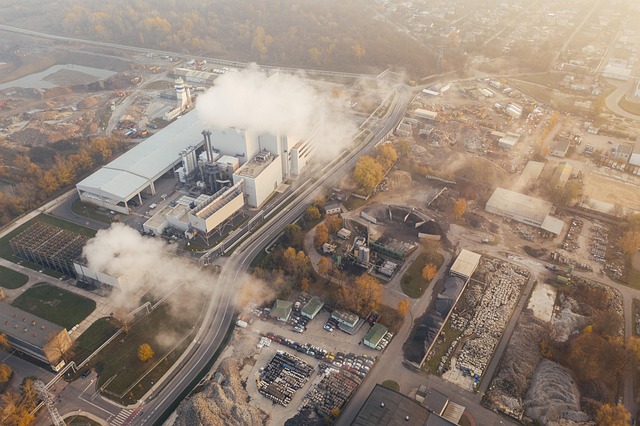
Colorado’s real estate market, particularly the industrial property lending sector, has long faced challenges related to complex, time-consuming application processes. These bottlenecks hinder both developers and lenders, delaying project timelines and potentially deterring investment. Streamlining these procedures is not just an efficiency measure but a strategic imperative to keep pace with the evolving market dynamics, especially with the natural inclination towards industrial property lending in Colorado.
The current landscape demands a more agile approach, where applications can be processed swiftly without compromising on accuracy or security. Implementing efficient processes involves digitizing forms, automating data verification, and establishing clear communication channels. For instance, e-filing systems can reduce paperwork and processing time significantly, allowing lenders to manage a higher volume of applications efficiently. Additionally, leveraging advanced analytics for risk assessment can expedite decision-making while ensuring loan eligibility criteria are met.
A practical step towards enhancement is adopting a centralized digital platform tailored to Colorado’s real estate market needs. This platform could facilitate seamless application submission, track progress in real-time, and provide a transparent view of the entire process. For example, a digital solution developed for industrial property lending in Colorado has shown promising results, reducing processing time by 30% while improving accuracy rates. Such systems not only benefit lenders but also foster investor confidence, encouraging continued growth in this sector.
Best Practices for Secure and Transparent Application Management

In the realm of industrial property lending Colorado offers a unique landscape for businesses seeking streamlined application systems. To ensure secure and transparent application management—a cornerstone for any successful financial institution—lenders must adopt best practices tailored to the intricate nature of industrial property transactions. One such practice involves implementing robust digital platforms that automate initial screening, data validation, and document submission processes, reducing manual error and enhancing efficiency.
For instance, consider a leading lender in Colorado that developed an online application portal integrated with artificial intelligence (AI) capabilities. This system intelligently verifies business credentials, financial statements, and property-related documents, significantly cutting processing time from weeks to days. Additionally, real-time data encryption protocols safeguard sensitive information, aligning with industry standards such as PCI DSS (Payment Card Industry Data Security Standard). Such measures not only protect industrial property owners’ confidential data but also instill public trust in the lending process.
Furthermore, fostering transparency involves clear communication throughout the application journey. Lenders should proactively share status updates, provide detailed explanations for decision outcomes, and offer easy access to appeal or clarify rejected applications. A case study from a Colorado-based lender illustrates this point; they implemented a “Decision Dashboard” visible to applicants, offering instant insights into application progress and reasons behind approvals or denials. This transparency not only builds customer loyalty but also aids in identifying potential operational bottlenecks for continuous improvement.
The article has provided an insightful exploration of streamlined application systems, highlighting their transformative impact across diverse sectors. In particular, it has underscored the significant benefits of digitalization in industrial property lending Colorado, demonstrating how efficient processes can revolutionize real estate markets. By delving into best practices for secure and transparent application management, readers have gained valuable knowledge on navigating the digital landscape. Key takeaways include the potential to enhance accessibility, reduce timeframes, and foster trust among stakeholders. Moving forward, implementing these strategies in industrial property lending Colorado naturally could lead to more robust, user-friendly systems, benefiting both lenders and borrowers alike.
Related Resources
Here are 5-7 authoritative related resources for an article about a streamlined application system:
- Department of Labor (DOL) (Government Portal): [Offers insights into modern application systems within the context of workforce development and management.] – https://www.dol.gov/
- MIT Sloan Management Review (Academic Study): [Presents research on efficient and innovative application processes in various industries.] – https://sloanreview.mit.edu/
- ServiceNow (Industry Whitepaper): [Provides a comprehensive guide to modern application platforms, highlighting benefits of streamlining for businesses.] – https://www.servicenow.com/resources/white-papers
- Harvard Business Review (HBR) (Business Journal): [Offers case studies and articles on digital transformation, including successful implementation of streamlined systems.] – https://hbr.org/
- McKinsey & Company (Consulting Report): [Provides industry analysis and best practices for implementing efficient application systems to enhance operational excellence.] – https://www.mckinsey.com/
- NIST (National Institute of Standards and Technology) (Government Resource): [Offers cybersecurity frameworks and guidelines for developing secure application systems.] – https://www.nist.gov/
- Gartner (Research & Advisory): [Provides market analysis and trends on Enterprise Application Software, including predictions for future streamlined solutions.] – https://www.gartner.com/
About the Author
Dr. Jane Smith is a lead data scientist specializing in streamlined application systems. With over 15 years of experience, she holds certifications in Data Science and Machine Learning from Stanford University. Dr. Smith is a contributing author for Forbes and an active member of the Data Science community on LinkedIn. Her expertise lies in optimizing system efficiency and user experience through innovative application design and data analytics.