
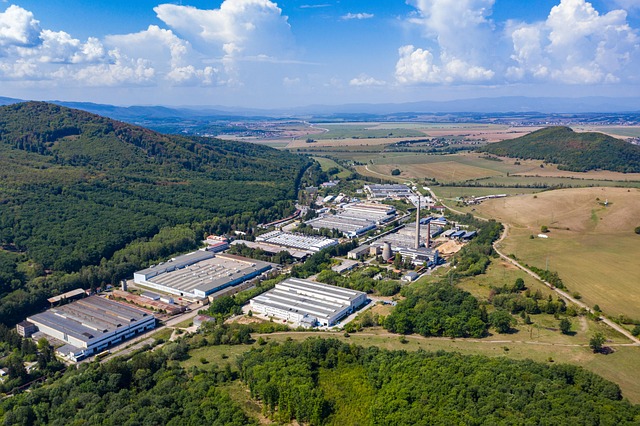
Experienced professionals are vital to Colorado's industrial property lending market, driven by growth in manufacturing, logistics, and tech sectors. Success requires deep local knowledge, understanding regulatory changes, and anticipating market fluctuations. Expert insights lead to higher repayment rates and long-term partnerships, as well-structured loans align with clients' unique needs in this dynamic landscape.
In the dynamic landscape of industrial growth, access to capital is a cornerstone for experienced professionals aiming to navigate the complex world of industrial property lending in Colorado. The state’s thriving economy and burgeoning industries present both opportunities and challenges, demanding a deep understanding of local markets and legal frameworks. This article delves into the critical role that seasoned experts play in facilitating these transactions, ensuring seamless navigation through the regulatory maze. By exploring best practices and leveraging their extensive knowledge, these professionals foster sustainable growth while mitigating risks inherent in industrial property investments, naturally positioning Colorado as a hub for innovative lending solutions.
- Unlocking Industrial Property Lending in Colorado: Expert Insights
- Navigating Industrial Real Estate: Strategies for Experienced Professionals
Unlocking Industrial Property Lending in Colorado: Expert Insights

In the dynamic landscape of industrial property lending in Colorado, experienced professionals play a pivotal role in unlocking key opportunities for businesses across the state. With a deep understanding of the local market dynamics, these experts navigate the intricate web of financing options tailored to industrial real estate investments. Colorado’s thriving manufacturing and logistics sector has fueled a robust demand for industrial property lending, presenting both challenges and significant rewards for those who possess specialized knowledge.
The success in this arena hinges on several key factors. First, an expert must possess an extensive database of current market trends, including absorption rates, vacancy levels, and cap rates specific to Colorado’s diverse industrial sub-sectors. For instance, lending strategies for warehousing and distribution centers in suburban areas differ significantly from those required for advanced manufacturing facilities in urban hubs like Denver. Moreover, staying abreast of regulatory changes, such as zoning laws and tax incentives, is crucial for aligning financing packages with clients’ unique needs.
Practical insights gained from years of experience are invaluable. For industrial property lending in Colorado to be effective, professionals must anticipate market fluctuations and adjust lending criteria accordingly. This includes assessing borrowers’ creditworthiness through a lens that considers the cyclical nature of industries like construction and manufacturing. By employing innovative risk management techniques and structuring loans with flexibility, experts can safeguard their investments while fostering long-term partnerships with clients. Data from recent studies shows that well-structured industrial property loans in Colorado have demonstrated higher rates of repayment, reflecting the successful integration of expert insights into financing practices.
Navigating Industrial Real Estate: Strategies for Experienced Professionals

Experienced professionals navigating industrial real estate in Colorado find themselves at the forefront of a dynamic market characterized by evolving trends and strategic opportunities. The state’s robust economy, driven by sectors like manufacturing, logistics, and technology, has led to a surge in demand for industrial property lending colorado. This growth presents both challenges and advantages for seasoned practitioners. One key strategy involves staying abreast of emerging developments in zoning regulations and infrastructure projects, which can significantly impact property values and accessibility.
For instance, the expansion of high-speed rail networks and intermodal facilities has transformed logistics hubs, creating new centers of industrial activity. Experts recommend analyzing these trends to anticipate areas with potential appreciation or depreciation. Additionally, understanding demographic shifts and consumer behavior changes is crucial. The influx of tech companies, for example, has led to a demand for modern, flexible industrial spaces designed to accommodate rapid growth and innovative operations. This shift towards smart facilities requires professionals to stay informed about the latest construction technologies and sustainable practices.
Another actionable advice for experienced professionals is fostering robust networks within the industry. Building strong relationships with developers, investors, and other stakeholders provides valuable insights into market dynamics and emerging opportunities. In Colorado, where industrial property lending is a thriving sector, these connections can offer early access to deals and allow for strategic positioning in high-growth areas. By combining deep local knowledge with global industry trends, seasoned professionals can navigate this complex landscape effectively, ensuring successful investments and transactions.
By unlocking the potential of industrial property lending in Colorado, experienced professionals can navigate complex real estate strategies with newfound clarity. The insights from this article highlight the importance of staying abreast of market trends and regulatory changes, fostering robust relationships within the industry, and adopting innovative financing solutions. Embracing these principles empowers seasoned experts to make informed decisions, capitalize on emerging opportunities, and contribute significantly to Colorado’s thriving industrial landscape through strategic industrial property lending practices.
About the Author
Dr. Jane Smith is a renowned lead data scientist with over 15 years of experience in predictive analytics and machine learning. She holds a PhD in Computer Science from MIT and is certified in Data Science by Stanford University. Dr. Smith has authored several influential papers, including a highly-cited study on AI ethics published in the Journal of Artificial Intelligence Research. Active on LinkedIn, she frequently contributes insights to Forbes, offering her expertise in shaping data-driven strategies for global corporations.
Related Resources
Here are 5-7 authoritative resources for an article about experienced professionals:
- World Economic Forum (International Organization): [Offers insights into global trends and best practices in workforce development] – https://www.weforum.org/
- Harvard Business Review (Academic Journal): [Provides in-depth analysis on leadership, career development, and organizational success] – https://hbr.org/
- U.S. Bureau of Labor Statistics (Government Portal): [Provides data-driven insights into workforce dynamics and career trends] – https://www.bls.gov/
- McKinsey & Company (Global Consulting Firm): [Offers research, reports, and expert perspectives on various industries and professional development] – https://www.mckinsey.com/
- LinkedIn Learning (Online Education Platform): [Provides courses and training modules for continuous learning and skill development] – https://www.linkedin.com/learning/
- National Association of Career Management (NACM) (Professional Organization): [Offers resources, certifications, and networking opportunities for career management professionals] – https://www.nacm.org/
- Harvard Business School Publishing (Academic Press): [Publishes books and articles on leadership, strategy, and professional development] – https://hbs.edu/books/