
Mixed-use development in Colorado, characterized by the integration of residential, commercial, and industrial spaces, is driven by innovative practices and government incentives. Industrial property lending Colorado plays a crucial role in financing these projects, attracting businesses and talent, and promoting efficient land use. Success hinges on collaboration between lenders, developers, and urban planners, embracing sustainable practices, and navigating complex market trends to ensure long-term viability. By leveraging public-private partnerships, flexible financing structures, and government support, Colorado sets a model for harmonious urban growth through industrial property lending.
In today’s dynamic real estate landscape, mixed-use development financing stands as a cornerstone for sustainable urban growth. Colorado, renowned for its vibrant industrial property lending market, presents an ideal case study. The seamless integration of residential, commercial, and retail spaces offers not only attractive returns but also addresses critical housing and community needs. However, navigating the complex web of financing options can be daunting. This article delves into the intricacies of mixed-use development funding, providing insights into innovative strategies and expert guidance tailored to Colorado’s robust industrial property lending environment. By exploring these avenues, we aim to empower developers and investors with the knowledge to navigate this intricate process successfully.
- Understanding Mixed-use Development: The Colorado Approach
- Industrial Property Lending: Unlocking Potential in Denver
- Strategies for Financing Multi-Use Projects Successfully
- Navigating Risks and Benefits: A Case Study in Colorado
- Government Incentives and Support for Mixed-use Initiatives
- Future Trends: Innovating with Sustainable Mixed-use Development
Understanding Mixed-use Development: The Colorado Approach

Mixed-use development has emerged as a strategic approach in urban planning and real estate, seamlessly integrating residential, commercial, and industrial property lending Colorado naturally into cohesive communities. This holistic strategy, exemplified by Colorado’s innovative practices, offers numerous advantages for both developers and residents alike. By fostering integrated living and working environments, mixed-use projects promote efficient land use, reduce commute times, and enhance local economies.
Colorado’s approach to mixed-use development is characterized by a collaborative ecosystem involving public agencies, private developers, and community stakeholders. The state’s flexible zoning regulations and forward-thinking policies encourage the integration of diverse land uses, enabling the creation of vibrant, sustainable neighborhoods. For instance, Denver’s Larimer Square, a historic mixed-use district, showcases the successful conversion of industrial property into a bustling hub featuring residential lofts, restaurants, retail shops, and office spaces. This transformation not only revitalized the area but also attracted young professionals and entrepreneurs, contributing to the city’s dynamic culture.
Industrial property lending Colorado naturally plays a pivotal role in financing these multifaceted projects. Lenders and investors recognize the potential for diversified revenue streams and long-term stability inherent in mixed-use developments. By offering tailored financing solutions, they support developers in navigating the complexities of blending different land uses. This includes providing access to capital for residential units, commercial spaces, and industrial facilities within a single project, ensuring financial feasibility and maximizing property values. As Colorado continues to attract businesses and talent with its robust economy and high quality of life, the demand for mixed-use developments is expected to surge, presenting both opportunities and challenges for lenders and developers alike.
Industrial Property Lending: Unlocking Potential in Denver
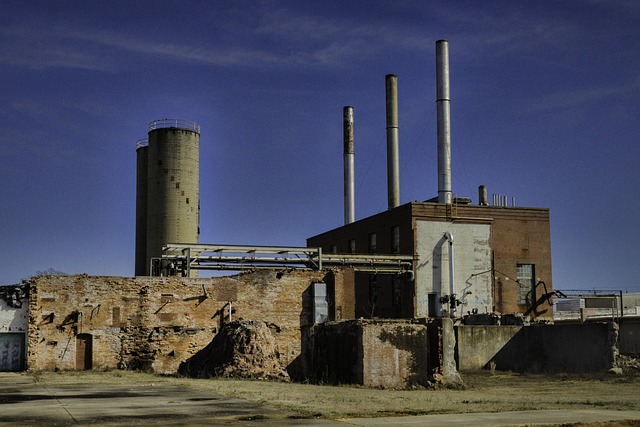
Denver’s real estate market has long been a hotspot for growth, with a diverse range of sectors driving its success. Among these, industrial property lending Colorado has emerged as a key player in shaping the city’s skyline. This specialized financing avenue is unlocking new possibilities for developers and businesses, fostering mixed-use developments that blend residential, commercial, and industrial spaces seamlessly. The appeal lies in the potential for synergy; industrial areas, once isolated, can now contribute to vibrant urban communities through strategic lending and development practices.
Industrial property lending offers a unique opportunity to revolutionize Denver’s landscape. For instance, the city’s growing e-commerce sector requires robust warehousing and distribution centers, which can be integrated into mixed-use projects. By financing these developments, lenders enable companies to establish regional hubs, enhancing logistics efficiency while providing modern living and working spaces for employees. Data from the Colorado Real Estate Association reveals a 15% year-on-year increase in industrial property sales in Denver, underscoring the market’s attractiveness and viability.
Experts suggest that success in this domain hinges on collaboration between lenders, developers, and urban planners. Lenders should adopt an innovative approach, considering not just traditional risk assessment but also the community impact and long-term sustainability of projects. For instance, incorporating green building practices and renewable energy sources can enhance a project’s appeal while reducing operational costs. By aligning financing with sustainable development goals, lenders can contribute to Denver’s environmental initiatives and secure robust returns on investment. This strategic shift in industrial property lending Colorado promises to transform the city into a model for harmonious urban growth.
Strategies for Financing Multi-Use Projects Successfully

Financing multi-use projects requires a strategic approach tailored to the unique blend of residential, commercial, and industrial components. In vibrant markets like Colorado, where industrial property lending plays a crucial role in economic growth, understanding the nuances of mixed-use development is paramount. Developers often face challenges in securing funding due to the diverse revenue streams and potential risks associated with these projects. However, with careful planning and creative financing strategies, these obstacles can be overcome.
One proven strategy involves leveraging public-private partnerships (PPPs). By collaborating with local governments or institutions, developers can access government grants, low-interest loans, or tax incentives that offset the initial investment costs. For instance, in Colorado, the state’s economic development programs offer financial incentives for mixed-use developments integrating industrial spaces, fostering a thriving environment for businesses and residents alike. Additionally, structuring the project as a limited partnership (LP) allows for a clear risk allocation, attracting various investors with differing risk tolerances.
Another effective method is to employ structured financing with multiple lenders, diversifying debt obligations. This approach leverages competitive market conditions in Colorado’s industrial sector, securing favorable interest rates and terms. Lenders may include traditional banks, alternative lenders, and even specialized funds focused on mixed-use properties. A well-rounded funding strategy also incorporates flexible capital sources like equity investors seeking exposure to the growing industrial property market in Colorado. By combining these financing methods, developers can navigate complex project requirements and ensure long-term success.
Navigating Risks and Benefits: A Case Study in Colorado

Mixed-use development projects, integrating residential, commercial, and sometimes industrial spaces, present a complex landscape for financing in Colorado’s dynamic real estate market. Navigating these ventures requires a nuanced understanding of inherent risks and benefits, especially when considering industrial property lending Colorado has witnessed significant growth in this sector over the past decade. A case study focusing on Denver, Colorado, offers valuable insights into managing these challenges.
Denver’s urban core has seen a surge in mixed-use developments, attracting investment from both local and international sources. The city’s strategic location, robust economy, and growing population provide a fertile ground for diverse real estate opportunities. However, such projects are not without complexities. Industrial components introduce unique risk factors, including fluctuating market demands for warehouse and distribution spaces, changing e-commerce trends, and potential supply chain disruptions. For instance, the rapid growth of e-commerce has led to increased demand for fulfillment centers, but this volatility can impact long-term occupancy rates.
To mitigate risks in industrial property lending Colorado, lenders must conduct thorough market analyses, assess micro-level trends within specific industrial sectors, and diversify their portfolios. A practical approach involves collaborating with experienced developers who understand local dynamics. For example, partnering with firms specializing in adaptive reuse of old warehouse spaces can offer stability amidst e-commerce fluctuations. Lenders should also consider offering flexible loan structures tailored to mixed-use projects, allowing for potential changes in occupancy mix over time. By embracing these strategies, financial institutions can navigate the complexities of industrial property lending while fostering sustainable growth in Colorado’s dynamic real estate landscape.
Government Incentives and Support for Mixed-use Initiatives

Mixed-use development financing is a complex landscape where government incentives play a pivotal role in shaping urban landscapes. In Colorado, for instance, industrial property lending has naturally aligned with mixed-use initiatives due to the state’s robust economy and forward-thinking policies. The U.S. Department of Housing and Urban Development (HUD) offers various programs tailored to encourage the integration of residential, commercial, and industrial spaces. One notable example is the New Markets Tax Credit program, which provides tax incentives for investments in low-income communities, fostering mixed-use development that blends affordable housing with vibrant business hubs.
Government support extends beyond federal levels; state and local governments also contribute significantly. Colorado’s Sustainable Communities and Affordable Housing (SCAH) program exemplifies this commitment. It offers financial assistance, technical support, and policy incentives to promote sustainable, mixed-use developments. These initiatives not only drive economic growth but also ensure a diverse housing stock, enhance community engagement, and reduce urban sprawl. For developers, understanding these incentives is crucial for navigating the financing landscape and structuring projects that align with community needs and goals.
Practical insights reveal several actionable steps for maximizing government support. First, developers should thoroughly research available programs and their eligibility criteria. Second, strategic partnerships with local governments, non-profits, and community organizations can enhance project feasibility and appeal to funding sources. Additionally, leveraging existing industrial property lending models in Colorado provides a solid foundation for mixed-use projects, allowing for more creative financing options. Ultimately, staying informed about policy changes and adapting project proposals accordingly is vital to capitalizing on evolving government incentives, ensuring successful mixed-use development outcomes.
Future Trends: Innovating with Sustainable Mixed-use Development

The future of mixed-use development lies in its ability to seamlessly integrate sustainable practices and technologies, ensuring a harmonious balance between urban living, working, and environmental stewardship. As Colorado, with its diverse landscape and thriving cities like Denver, continues to attract businesses and residents alike, innovative financing models are crucial for realizing the potential of sustainable mixed-use projects. Industrial property lending in Colorado has already shown promising signs of aligning financial goals with eco-conscious objectives, setting a precedent for other regions to follow.
One notable trend is the increasing demand for green spaces within urban developments, promoting biodiversity and enhancing quality of life. Developers are integrating vertical gardens, green roofs, and living walls into their designs, reducing the urban heat island effect and improving air quality. For instance, the city of Denver’s “Greenprint” initiative aims to cover 20% of the city’s roof area with green infrastructure by 2030. This not only fosters a healthier environment but also creates unique amenities that drive market value. Financing for such projects can be facilitated through specialized loan programs that incentivize sustainable features, such as those offered by local banks in Colorado who have recognized the long-term benefits of eco-friendly development.
Additionally, smart technology is revolutionizing mixed-use spaces, making them more efficient and user-friendly. Integrating renewable energy sources, automated systems for waste management and lighting, and connected transportation networks are becoming standard practices. For example, several new residential developments in Colorado are employing solar panels, electric vehicle charging stations, and advanced recycling programs. These technologies not only reduce operational costs but also attract tenants and buyers who prioritize sustainability. Financing these innovations can be streamlined through industrial property lending models tailored to support the adoption of smart city infrastructure, ensuring that mixed-use developments in Colorado remain at the forefront of environmental innovation.
In examining mixed-use development financing through the lens of Colorado’s approach, industrial property lending in Denver has emerged as a key enabler. The article’s key insights underscore the success of strategic multi-use projects, highlighting the importance of navigating risks and benefits, leveraging government incentives, and embracing sustainable innovation. Industrial property lending in Colorado demonstrates the potential for revitalizing urban areas while creating vibrant, functional communities. Moving forward, integrating these learned strategies—from understanding the unique needs of mixed-use developments to capitalizing on government support—will be crucial for fostering successful and sustainable urban growth models. Readers now possess a comprehensive toolkit to navigate this complex landscape, empowering them to contribute to the evolution of mixed-use development in their own regions.