
Industrial property lending in Colorado naturally requires a nuanced approach due to the state's diverse economy and evolving market trends. Lenders must assess risk by understanding industry-specific needs, tenant creditworthiness, and property valuations. Diversifying portfolios, leveraging technology, and building relationships with local experts are key to effective risk management. Tailoring loan terms to project timelines and seeking expert guidance are essential for success in this dynamic environment.
In today’s dynamic economic landscape, particularly within the robust industrial sector of Colorado, securing funding for innovation has become a paramount challenge. The state’s thriving tech and manufacturing ecosystems demand accessible capital to support groundbreaking developments in industrial property. This article offers expert guidance on navigating the intricate world of industrial property lending in Colorado, providing insights into strategies that foster growth and mitigate risk. By understanding the nuances of this specialized financing, businesses can harness opportunities, drive progress, and thrive in a competitive market. Let’s explore how tailored lending solutions can be the catalyst for success in Colorado’s vibrant industrial scene.
- Navigating Industrial Property Lending in Colorado: An Expert's Guide
- Understanding Risks & Rewards: Industrial Loans in Colorado Naturally
Navigating Industrial Property Lending in Colorado: An Expert's Guide

Navigating Industrial Property Lending in Colorado presents a unique set of opportunities and challenges for lenders and borrowers alike. With a robust industrial sector, diverse real estate market, and an environment conducive to business growth, Colorado offers a fertile ground for strategic investments in industrial property. However, understanding the nuances of this market is paramount to ensuring successful transactions. This guide provides expert insights into the dynamics of industrial property lending in Colorado, equipping readers with the knowledge to make informed decisions.
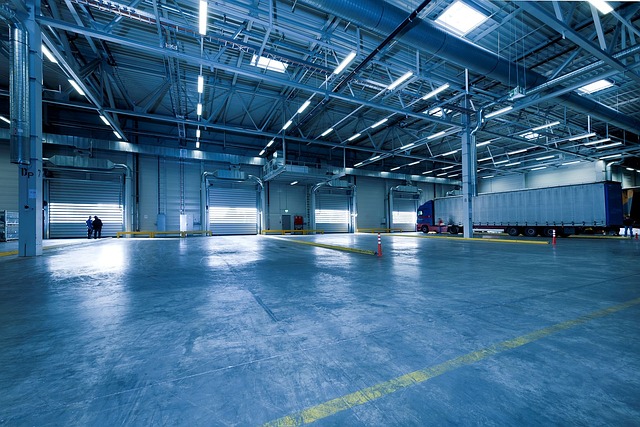
The state’s economy, driven by sectors like aerospace, technology, and agriculture, has fostered a robust demand for industrial spaces, from manufacturing facilities to logistics centers. Lenders must grasp the specific needs of these industries, which often involve significant capital requirements for machinery, infrastructure, and expansion. For instance, a recent trend in Colorado has been the rise of e-commerce distribution centers, demanding efficient warehouse spaces with advanced automation systems. Experts suggest that lenders should stay abreast of such trends to offer tailored financing solutions.
Risk assessment is a critical aspect of industrial property lending. Lenders should consider factors like location-specific market conditions, tenant creditworthiness, and property valuation. Data from the Colorado Real Estate Association reveals that industrial properties in vibrant economic corridors command premium prices, while those in emerging areas may present more opportunities for value appreciation. A balanced approach to risk management involves diversifying portfolios across various industrial sectors and geographic locations. Additionally, leveraging technology for accurate data analysis can enhance decision-making processes.
To excel in Colorado’s industrial property lending landscape, lenders should foster strong relationships with local experts, including real estate brokers, attorneys, and industry consultants. These partnerships enable access to market insights, facilitate regulatory navigation, and ensure compliance with state-specific laws. Furthermore, staying engaged with industry associations and attending relevant events can provide valuable networking opportunities. By combining extensive knowledge of industrial lending with a deep understanding of Colorado’s unique market dynamics, lenders can position themselves as trusted partners in the pursuit of successful investments.
Understanding Risks & Rewards: Industrial Loans in Colorado Naturally
In the realm of industrial property lending Colorado naturally presents a unique landscape. Lenders must navigate a delicate balance between identifying lucrative opportunities and mitigating risks inherent to this specialized sector. The state’s robust manufacturing base, ranging from renewable energy facilities to advanced robotics, offers significant potential for growth but also demands a nuanced understanding of market fluctuations and technological advancements.
Risk assessment plays a pivotal role in industrial property lending Colorado naturally. Lenders should scrutinize project feasibility, considering factors like supply chain disruptions, technological obsolescence, and labor market dynamics. Analyzing historical data on similar projects within the state can provide valuable insights. For instance, a study of renewable energy installations in Colorado over the past decade reveals a consistent return on investment for developers who prioritized adaptability and scalability. Conversely, fixed-term loans may be more suitable for projects with predictable timelines, such as infrastructure upgrades, ensuring both parties are aligned with clear outcomes.
Expert guidance is indispensable when navigating these complexities. Lenders should consult professionals well-versed in Colorado’s industrial market trends, regulatory environment, and emerging technologies. Engaging with industry associations and local economic development groups can offer real-time insights into lucrative sectors. For example, the recent surge in e-commerce has spurred demand for distribution centers, creating a favorable environment for strategic industrial property lending. By staying abreast of such shifts, lenders can facilitate investments that not only minimize risks but also capitalize on Colorado’s naturally evolving industrial landscape.
In conclusion, this article has provided an in-depth exploration of industrial property lending in Colorado, offering valuable insights into its unique landscape. By navigating the risks and rewards inherent in this sector, readers have gained a comprehensive understanding of the factors that drive success in industrial loans across the state. The key takeaways emphasize the importance of thorough due diligence, market knowledge, and strategic planning. For those venturing into industrial property lending in Colorado naturally, this guide serves as an authoritative resource, empowering them to make informed decisions and capitalize on opportunities within this dynamic market.