

In competitive Colorado industrial property lending, customized loan packages tailored to property types, market conditions, and borrower profiles dominate. Lenders use advanced risk models and data analytics, offering flexible terms for manufacturing, lower rates for renewable energy projects, and green incentives. Borrowers should actively participate by providing detailed project information. Staying informed about state-specific incentives and regulatory changes is crucial for significant savings. Success in Colorado's dynamic market requires understanding local trends, adapting to economic shifts, evaluating tenant stability, and building relationships with business owners. Customized financing options like long-term mortgages and government incentives for sustainability enhance loan packages. Leveraging data analytics ensures successful navigation of this sector.
In the dynamic landscape of industrial property lending Colorado has emerged as a hub for innovative financing solutions. As businesses navigate the complexities of growth, tailored loan packages have become indispensable tools for unlocking expansion opportunities. The challenge lies in crafting customized solutions that align with the unique needs of each operation, whether it’s a tech startup or an established manufacturing firm. This article delves into the art and science of industrial property lending, exploring how expert financial strategists are revolutionizing access to capital by offering bespoke loan packages that foster business metamorphosis and growth.
- Understanding Customized Loan Packages for Industrial Property in Colorado
- Navigating Industrial Property Lending: Strategies for Success in Colorado
Understanding Customized Loan Packages for Industrial Property in Colorado

In the competitive landscape of industrial property lending Colorado, customized loan packages have emerged as a strategic tool to cater to the unique needs of business owners. These tailored financing solutions go beyond one-size-fits-all approaches, recognizing that each industrial project has distinct characteristics and financial requirements. Lenders in Colorado are increasingly adopting this approach, leveraging advanced risk assessment models and data analytics to craft loan packages that align with specific property types, market conditions, and borrower profiles.
For instance, a customized loan package for an industrial property development in Denver might include flexible terms, lower interest rates, and enhanced collateral considerations based on the area’s robust manufacturing sector and rising real estate values. Similarly, lenders can offer specialized financing for renewable energy projects, incorporating incentives from state programs that support green infrastructure. Data-driven insights into market trends, such as the growing demand for e-commerce fulfillment centers, enable lenders to structure loans with provisions for future expansion or technology upgrades.
Expert advice suggests that borrowers should actively engage in this process, providing comprehensive project details and financial projections. Engaging directly with lenders allows for a deeper understanding of available options and ensures that the final package optimizes both short-term and long-term financial goals. Additionally, staying informed about state-specific incentives and regulatory changes related to industrial property lending Colorado can unlock significant savings and benefits throughout the loan lifecycle.
Navigating Industrial Property Lending: Strategies for Success in Colorado
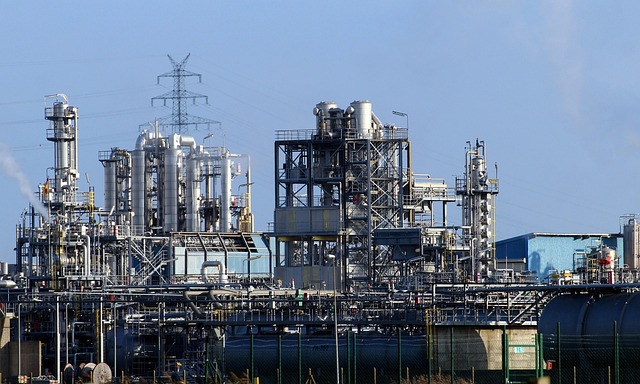
Navigating the complex landscape of industrial property lending requires a strategic approach tailored to Colorado’s unique market dynamics. This state, known for its robust manufacturing and logistics sector, presents both opportunities and challenges for lenders. Industrial property lending in Colorado demands a deep understanding of local trends, regulatory environments, and the specific needs of businesses operating within this niche. Lenders who succeed here adapt quickly to changing economic conditions and offer flexible financing solutions that align with the state’s evolving industrial landscape.
Colorado’s industrial real estate market has experienced significant growth over the past decade, driven by a thriving economy and strategic geographic location. According to recent data, the state hosts some of the largest logistics centers in the nation, attracting major retailers and e-commerce giants. This boom presents lenders with substantial opportunities but also requires careful assessment of risk. Expertise in industrial property lending involves evaluating the stability of tenant operations, understanding supply chain dynamics, and forecasting potential market shifts. Lenders who invest time in building relationships with local business owners and industry experts gain valuable insights that can significantly enhance their loan packages.
Successful strategies for industrial property lending in Colorado include offering customized financing options, such as long-term mortgages with flexible terms to accommodate the lengthy development cycles often associated with industrial projects. Additionally, lenders can provide expertise in securing government incentives and grants available for renewable energy and sustainable practices, further enhancing their appeal to environmentally conscious businesses. By staying abreast of industry trends, participating in local business networks, and leveraging data analytics to assess market risks, lenders can navigate this dynamic sector effectively.
Customized loan packages for industrial property lending in Colorado offer a tailored approach to financing, recognizing the unique needs of this sector. By understanding the nuances of this market, as highlighted in this article, lenders can successfully navigate the challenges and opportunities presented by industrial property lending in Colorado. Key insights include recognizing diverse borrower profiles, leveraging local market knowledge, offering flexible terms, and providing specialized services.
Practical next steps for financial institutions involve conducting thorough due diligence on borrowers, staying abreast of regional economic trends, and developing a comprehensive understanding of industry-specific risk factors. Embracing these strategies ensures a robust framework for successful industrial property lending in Colorado, fostering growth and stability in the local economy.